
Tamiaka Bryant has rebuilt her life from scratch before. She doesn’t want to have to do it again.
Originally from North Carolina, Bryant saw her hometown of New Bern pummeled by Hurricane Florence in 2018. Flooding and heavy winds caused an estimated $100 million in commercial and residential damage, prompting the city to spend the next several years drafting a resilience and hazard mitigation plan.
But not long after the storm, Bryant realized she needed to leave.
“I just came up here with the car and a box of clothes,” she said.
Bryant had completed a successful phone interview with the Country Club of Virginia, and Richmond has been her home ever since.
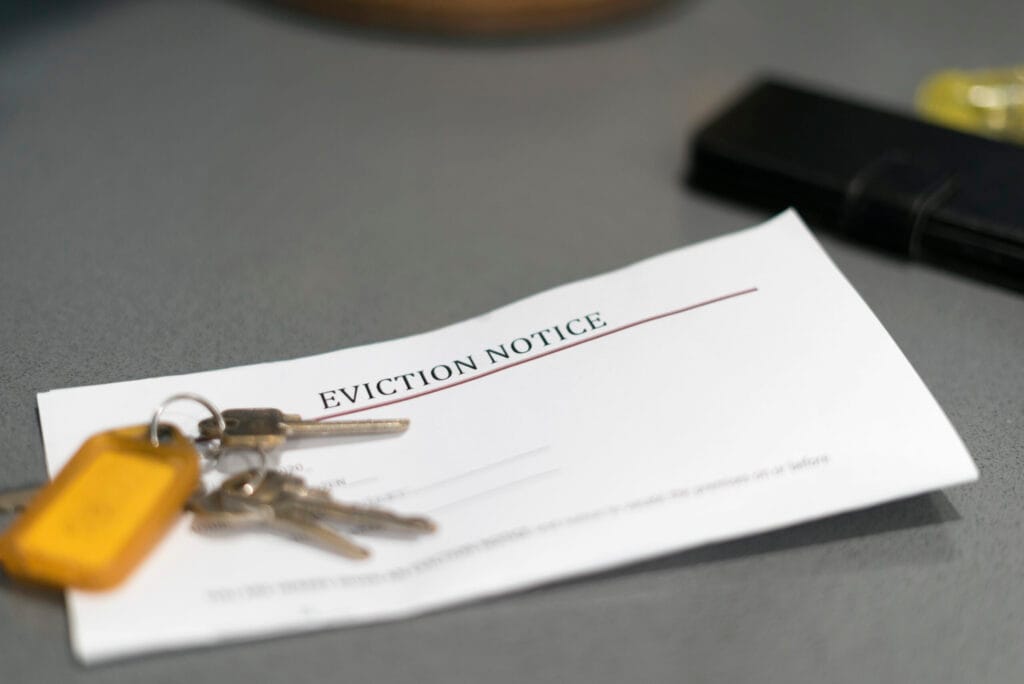
At one point, she left to care for her father and fell behind on rent. Her next paycheck was a little more than one week away, but her landlord filed eviction proceedings.
Under previous Virginia law, tenants had five days to pay overdue rent before landlords could begin eviction proceedings. A new law, House Bill 15, by Del. Cia Price, D-Newport News, extends that grace period to 14 days.
“I literally just needed to get my next check, which wasn’t going to be within five days,” Bryant said.
She recalled worrying about what would happen to her and her two pets, a dog and a cat.
Residents like Bryant may be able to turn to friends, coworkers or local unions for help before their next paycheck arrives. But if the money isn’t available by the first court hearing, they can face an unfavorable ruling as well as court costs and attorney fees.
Bryant said she felt a coldness in the courtroom that day.
“When you go to the courtroom, all they do is say, ‘Do you owe money?’ So you say ‘Yes, I do,’ and then the judge has nothing else to say,” Bryant explained. “You could have had a death in the family or something, but he has nothing else to say and you’re just sitting with that.”
Bryant said she’s grateful to have gotten through the ordeal and found support. Her employer offered to help, and the Richmond Tenant Union also stepped in.
“But that five-day thing messes up a lot of people’s lives,” Bryant said. “I appreciate lawmakers for addressing this.”
A piloted eviction diversion program was also made permanent and expanded statewide, giving tenants another resource when they need help. Other new laws strengthen renter protections for renters whose landlords fail to maintain residents’ health and safety.
Gov. Abigail Spanberger said renters in need could quickly benefit from those new protections.
“If you’re someone who’s kind of always teetering on potential eviction, you’ll feel it real quick when you have just a little bit more breathing room to be able to kind of steady yourself and pay your rent,” Spanberger said in a recent interview.
Other housing policies could take longer to bear fruit, she noted.
“Some of the longer-term things that we’ve done related to housing supply increase, it’ll take longer for people to feel that,” Spanberger said.
For instance, Senate Bill 74, sponsored by Sen. Jeremy McPike, D-Prince William, allows local governments to amend their zoning ordinances to create affordable housing programs — a power previously granted only to some localities. HB 594 by Del. Shelly Simmonds, D-Newport News, could help streamline approvals for affordable housing developments.
Market-rate housing developers can more easily build cost or scheduling uncertainties into their budgets. Projects focused on providing below-market rents don’t always have that luxury.
Still, it can take time for new housing to move from concept to approval and construction.
More targeted housing policies have also become law, including one allowing people to build tiny homes on their property. Advocates argue the change could help increase the housing supply, allow seniors to age in place near family and provide affordable rentals for students or low-income workers.
“I think the priority needs to be on our administration and members of the General Assembly who passed all these bills to be connecting the dots, to be communicating and to be celebrating,” Spanberger said.
Rental relief laws such as Price’s may be among the most visible changes for now.
Eviction has long been a problem, but Price said there has not always been enough political will to address it.
When she first joined the legislature a decade ago, Price described eviction rates in her district as “oddly normative.”
She began examining the causes after hearing about sudden medical bills or car repairs that left constituents behind on rent. Others had their work reduced because of an illness or the need to care for a loved one. In more recent years, Price said rising gas, grocery and energy costs have strained household budgets.
“If you’re budgeting check-to-check, that’s significant,” she said.
Price introduced what has become her flagship housing bill five times before a governor finally signed it. She said she first realized the policy could work when “the sky didn’t fall down” after rental relief was temporarily granted during the pandemic.
Price said the policy could ultimately save tenants and landlords money by helping them avoid court proceedings and related fees.
Lacking Trump’s signature, a major congressional housing bill with Va. roots still has a path to law
“By the time you start the eviction, you’ve ruined (tenants’) credit, and it makes it harder for them to find somewhere else to go,” Price explained. “You didn’t get their money. Now things are in court, and you may not get your money anyways.”
Federal legislation could also bolster Virginia’s efforts.
The sweeping 21st Century ROAD to Housing Act that recently became law without President Donald Trump’s signature includes concepts first introduced or pioneered in states including the commonwealth and could further support state and local efforts to increase the housing supply and affordability.
Bryant is grateful to have a roof over her head, but her next challenge is the rising cost of living. By the time she pays her bills and buys groceries, she often has little left to spend at Richmond event spaces or restaurants that are considered local amenities.
“I work, and I go home. I’m doing better. I just feel like I’m never going to be well,” she said. “But government policies here do make me feel like I’ve got a breath of fresh air.”
This post was originally published on Virginia Mercury.