Students face pressure to do well from family expectations, peer competition, college admissions, and a broader achievement-focused culture. Some Virginia education experts say it is leading them to rely on artificial intelligence, at the expense of strengthening their own creative and critical thinking skills.
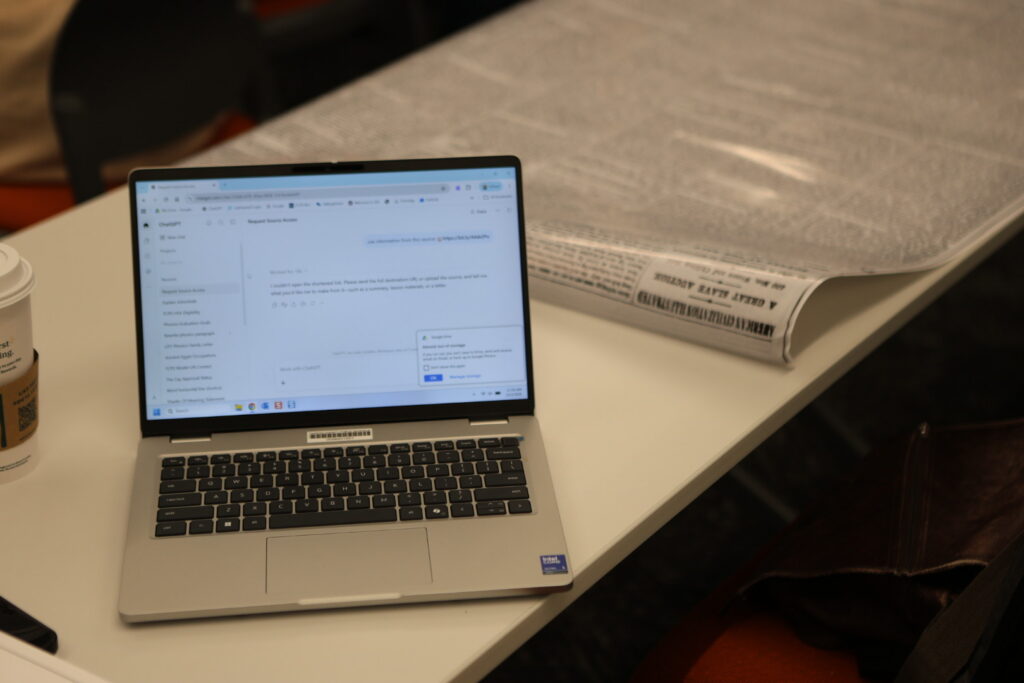
“They want to do well, and so they tend to turn to AI as a shortcut to completing assignments or getting assistance,” Alexandria City School Teacher Bernadette Desario said. “While I understand that they want to use that, we still want to see what it is that they know, and we want to see their own creativity and their own thought process.”
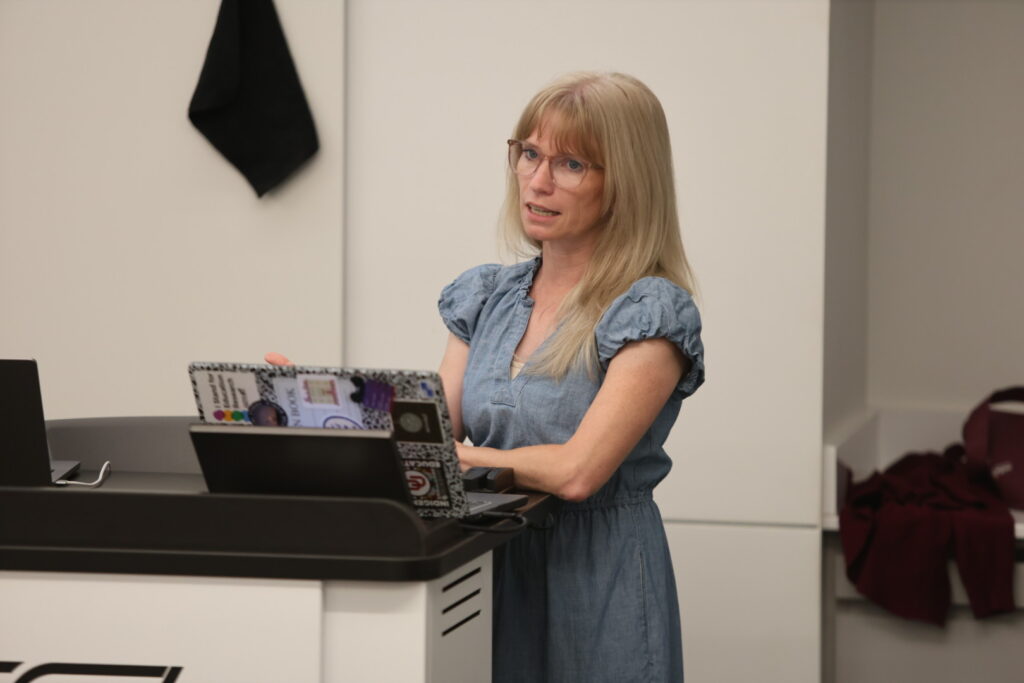
Desario and her colleagues focused on teaching history and social studies attended a recent AI workshop at the Virginia Tech Innovation Campus, run by two Virginia Tech professors.
The event centered on how to use the technology thoughtfully in the classroom, focusing on its capabilities, biases and limitations.
AI remains one of the most sought-after and heavily criticized technologies available. It has proven useful for processing large amounts of information, making predictions or recommendations, recognizing patterns and automating decisions and actions.
It also carries risks related to cybersecurity, safety, privacy, fairness, reliability, the workforce and the environment.
Since last summer, Amy Allen and David Hicks, professors in Virginia Tech’s School of Education, have been sharing how generative AI can support critical thinking when educators use it responsibly.
They pointed out a significant difference in how AI is used in different environments, with digital creators focusing on productivity, while educators key in on discipline.
Allen said many history educators oppose artificial intelligence. But if students use the technology more in the classroom, it’s the job of teachers to equip themselves to utilize it.
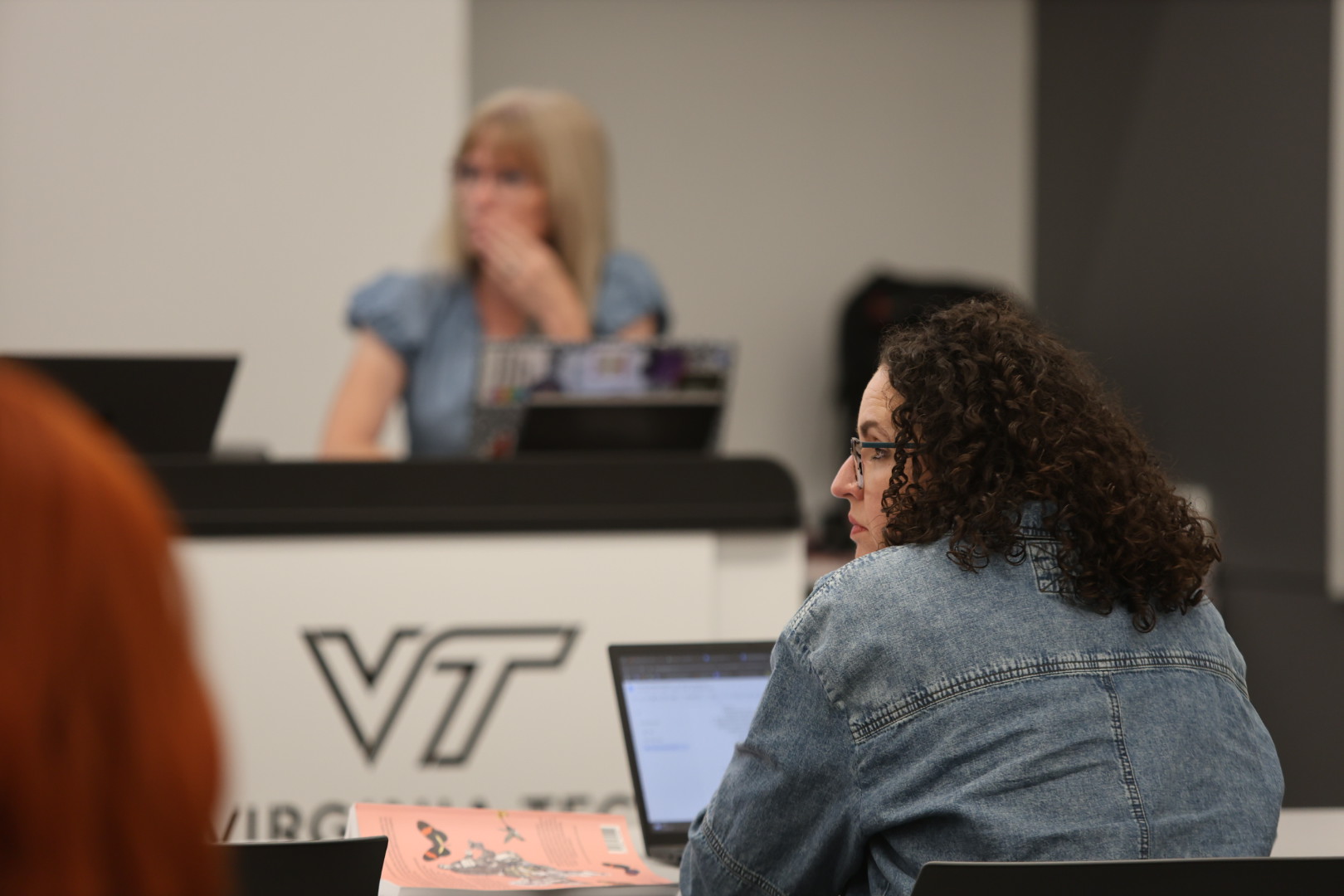
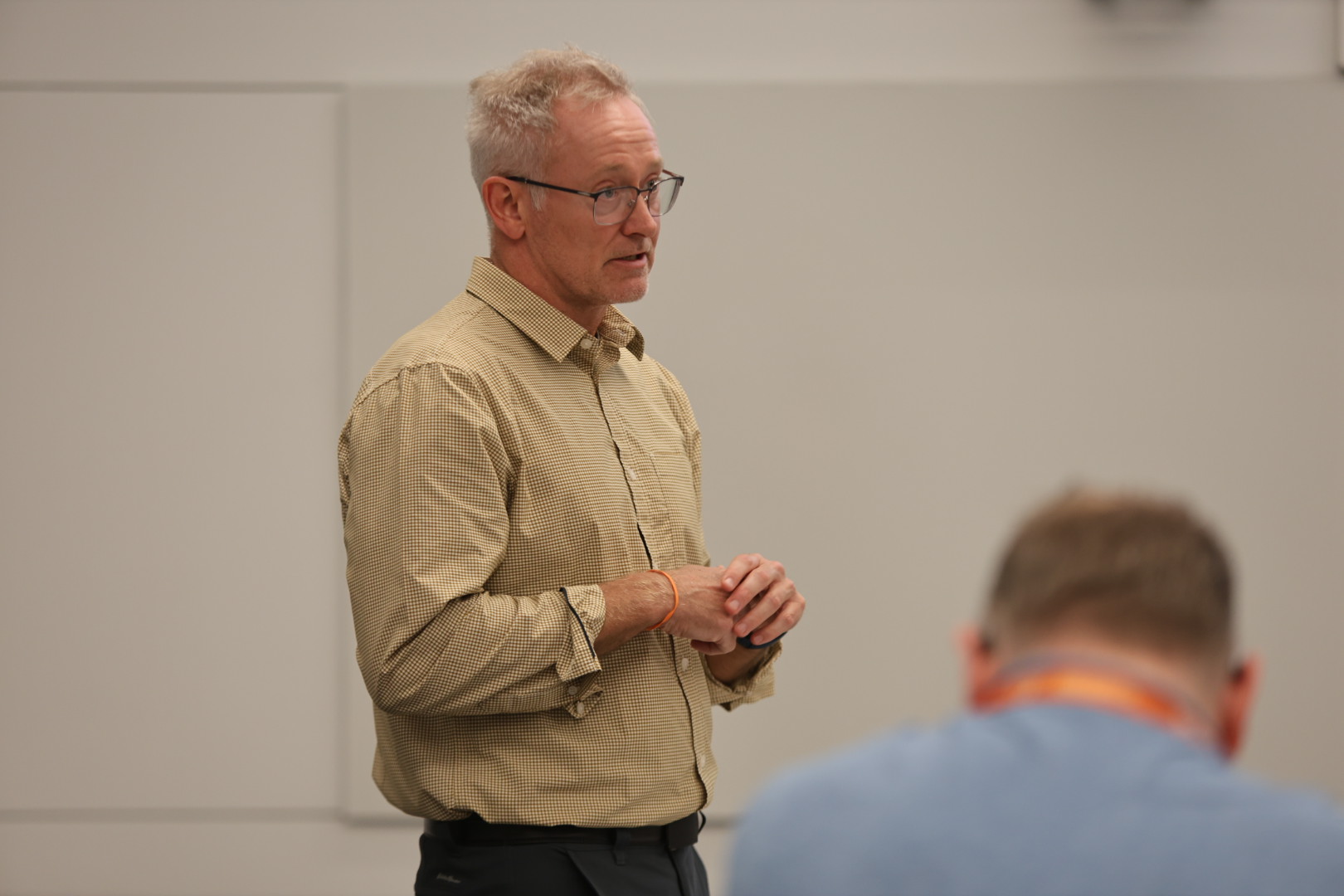
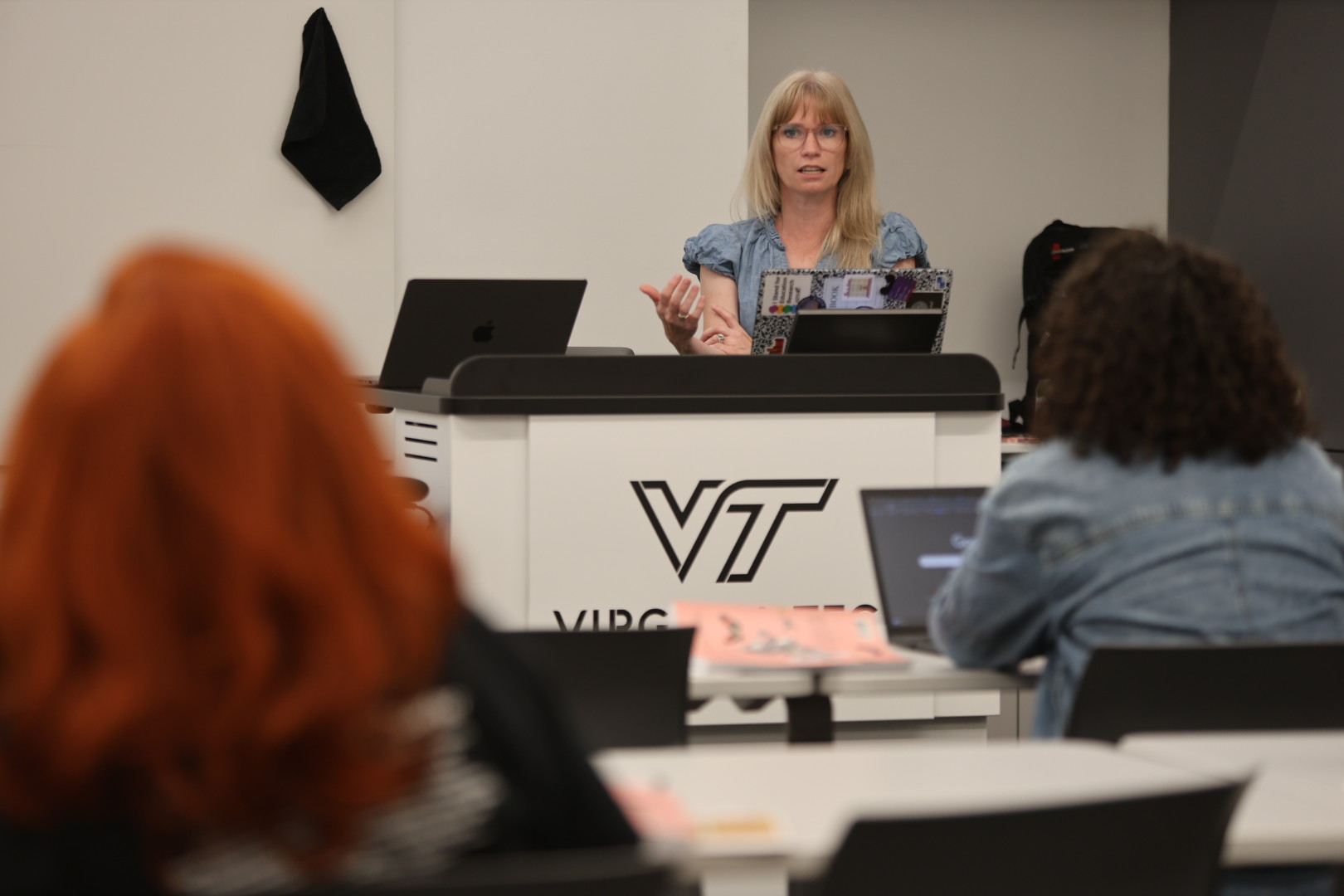
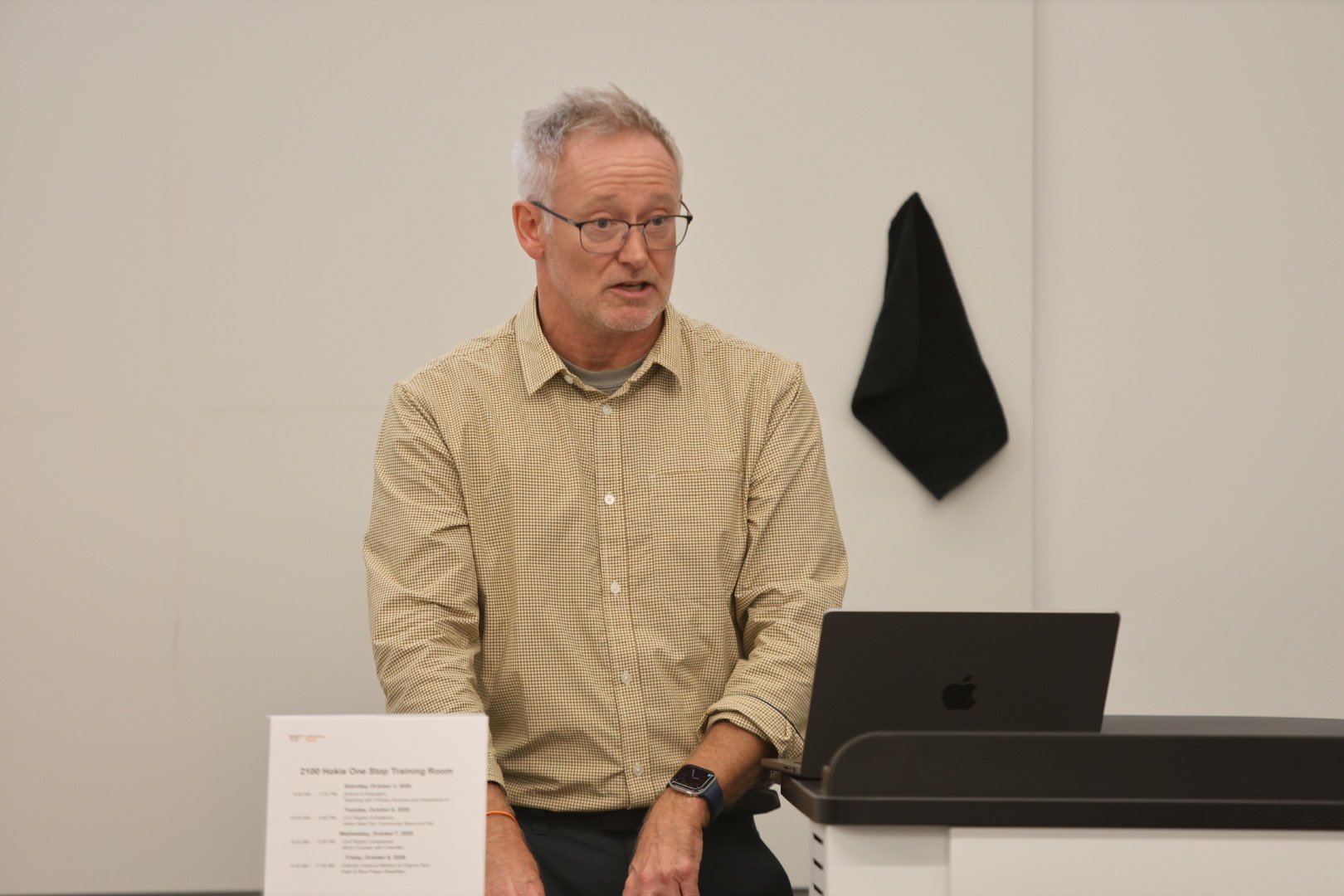
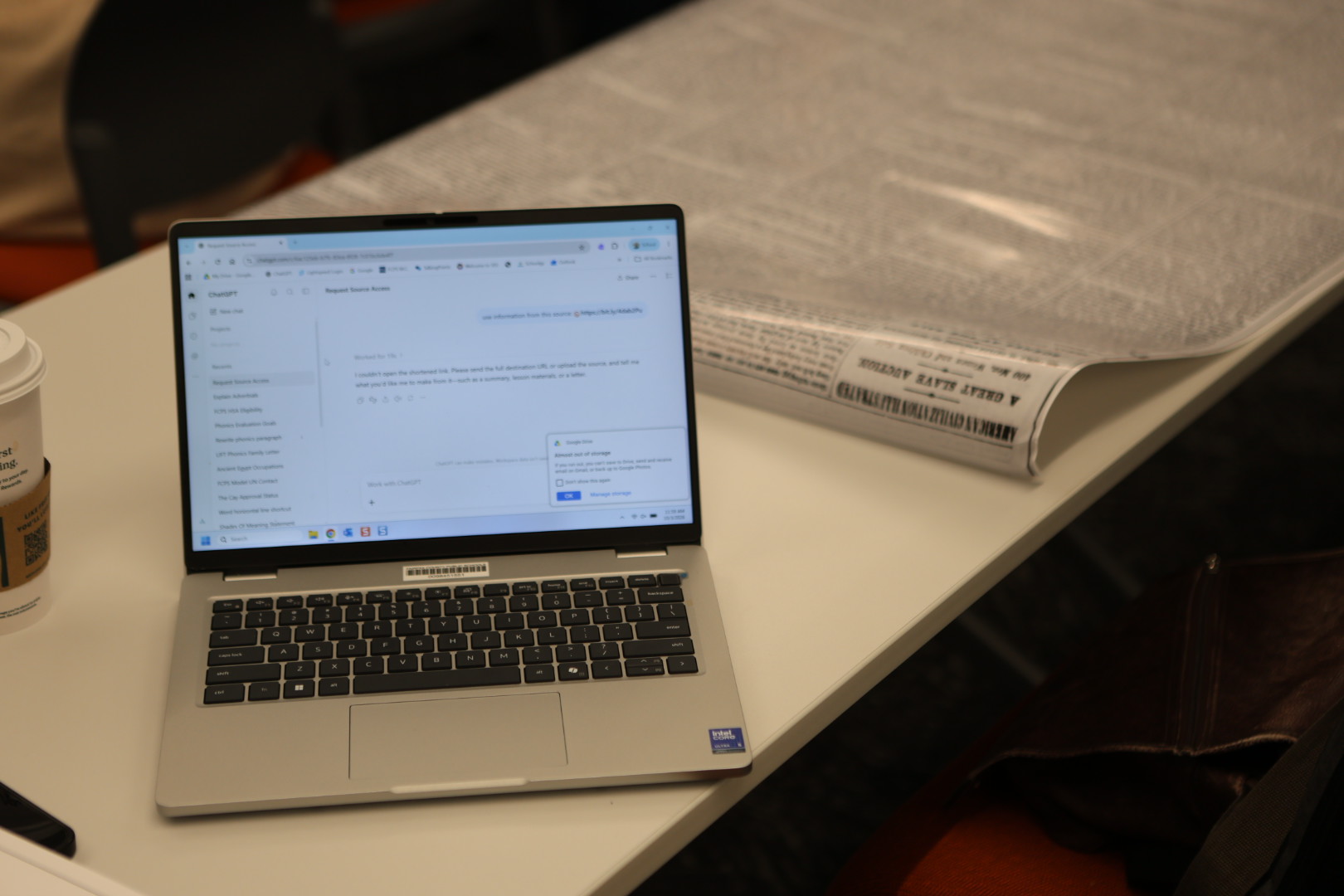
“All of the ideas we have, we hope are a launching point for teachers, and we’re not hoping they go back and do the same things that we’ve shown them, but we are hoping that it broadens their perspective about what can be done,” Allen said.
Hicks framed the work as helping teachers use AI thoughtfully in history and social studies, not as a shortcut or cure-all.
He also cautioned against AI simulations of historical figures.
In an example he shared with the Mercury, an Anne Frank-themed chatbot gave antiquated, inappropriate answers to a research prompt, showing how such interactions can whitewash history and downplay difficult experiences.
“(Some people) would argue you could do simulations and think about being advisers and things, but no, that is bordering on the same type of kind of simulations that we’ve seen in the press. … it gets to that same type of trivializing the experience that you’ve got to be wary of,” Hicks said.
Desario said the session changed her perspective, despite her being an AI novice. She highlighted learning how effective prompting — and drawing on available sources — can generate stronger questions and expand thinking in new directions.
“We are very thankful that we have a group of individuals that are willing to work with teachers and help us using this resource … in a way that makes the most sense and really supports our students,” Desario said.
The Center for Humanities and the Library of Congress’ Teaching with Primary Sources Partner Program made funding for the workshops possible..
Virginia Tech has been studying the use of artificial intelligence, most recently completing a review of CHATGPT Edu, a platform built by OpenAI specifically for higher education institutions to support students, faculty, researchers and campus operations.
The university is also using AI to study hemorrhagic fever viruses, predict and prevent global pandemics and make transportation safer and more efficient.
Allen and Hicks, authors of the book “Teaching History with Chatty Geeps,” will continue their workshops in Blacksburg and Abingdon through mid-November.
This post was originally published on Virginia Mercury.