
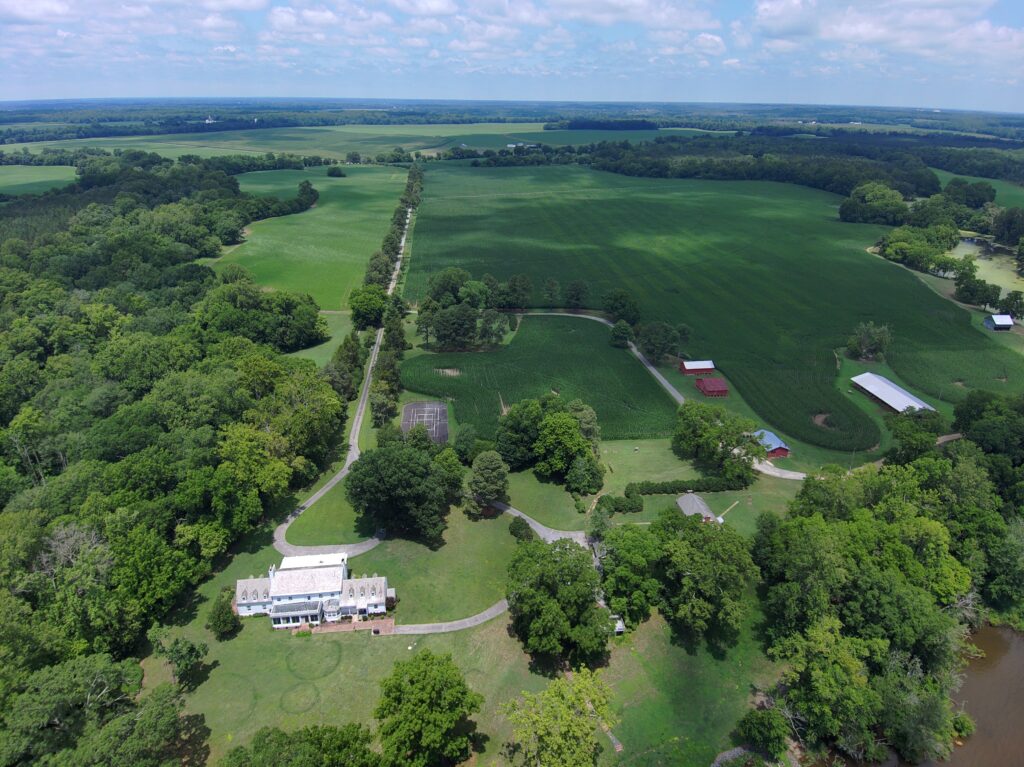
Nestled between Hanover County and the New Kent County line, Retreat Farm’s family ownership dates back to the 1700’s. In the 1600’s, colonists were said to have patented over 1000 acres at the bend in the Pamunkey River where “early Indian Councils and colonialists met to confer peace.”
Now, 1,145 acres of the property’s farmland, wetlands and 4.5 acres of shoreline will be permanently conserved by the Capital Region Land Conservancy (CRLC), the group announced Monday.
This is the largest conservation easement held by CRLC and was made possible in part through the United States Department of Agriculture’s Natural Resources Conservation Service.
“Protecting agricultural land is essential to sustaining farming and supporting our rural communities because thousands of acres of farmland are being converted to other uses every day,” Dr. Edwin Martinez of the Natural Resources Conservation Service said in a release.
Retreat Farm has been an active farm for over 375 years and still produces crops today on 452 acres of the land. The land contains large marl deposits, a calcium carbonate-rich clay that is used as fertilizer, that was able to revive tobacco fields that had been excessively farmed in prior years.
Retreat Farm is on Piping Tree Ferry Road, where the ferry ran from 1720 until the early 1900’s. CRPL reports that the Blackwell family owned the farm until 1772 when it was sold to Carter Braxton. Braxton lived across the river and notably “signed the Declaration of Independence, and financed a considerable sum in support of the Revolutionary War,” according to CRPL.
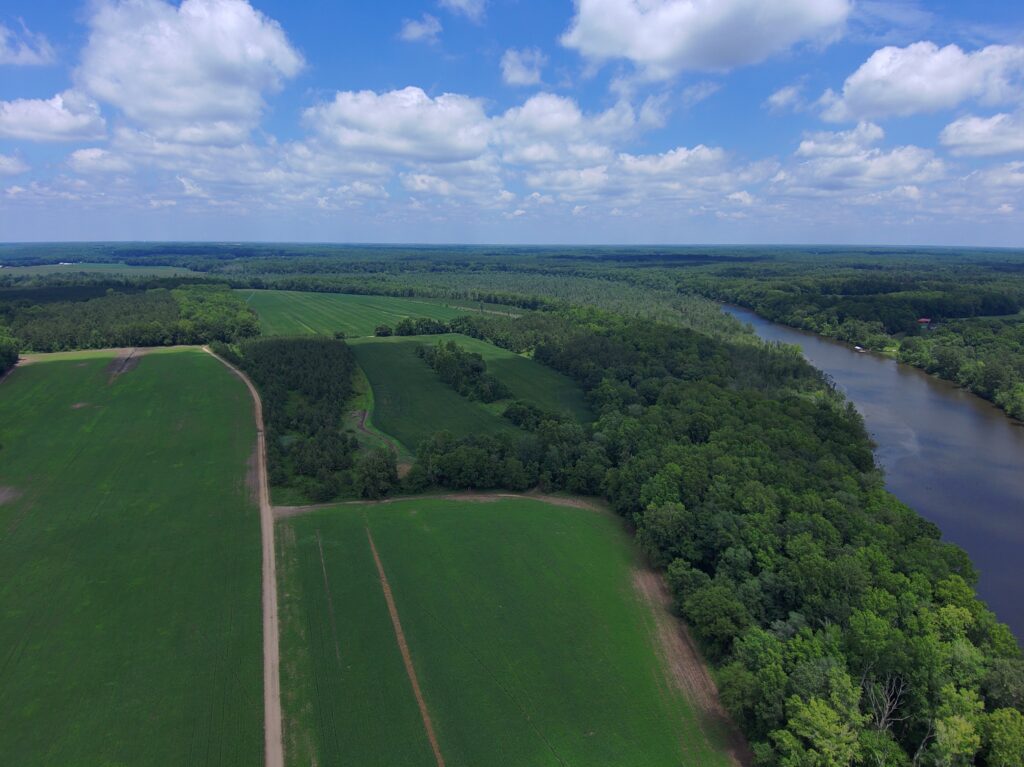
The land has been passed down through family ownership until now, when they have granted the conservation easement.
The move blocks development in the future while allowing agricultural use to continue, which CRPL said would diminish the property value and local land use taxes in perpetuity.
This helps make it more affordable for the family to own the land and prevent its sale even if economic pressures mount in the future.
“Keeping 450 acres of fertile farmland in production is so important to our business and Hanover’s cultural identity,” said Eric Randolph, who currently farms the land.
Part of the conservation easement also allows limited forestry activities in the area.
The Retreat Farm includes thriving habitats of plants and wildlife. The property connects to another 500 acres across the river that is also under a conservation easement.
This post was originally published on Virginia Mercury.