
RICHMOND — Gov. Abigail Spanberger this week vetoed legislation that would have legalized electronic skill gaming devices in Virginia, citing the state’s lack of a centralized gaming regulatory authority and data showing the machines had clustered in lower-income and minority communities when they were previously allowed to operate.
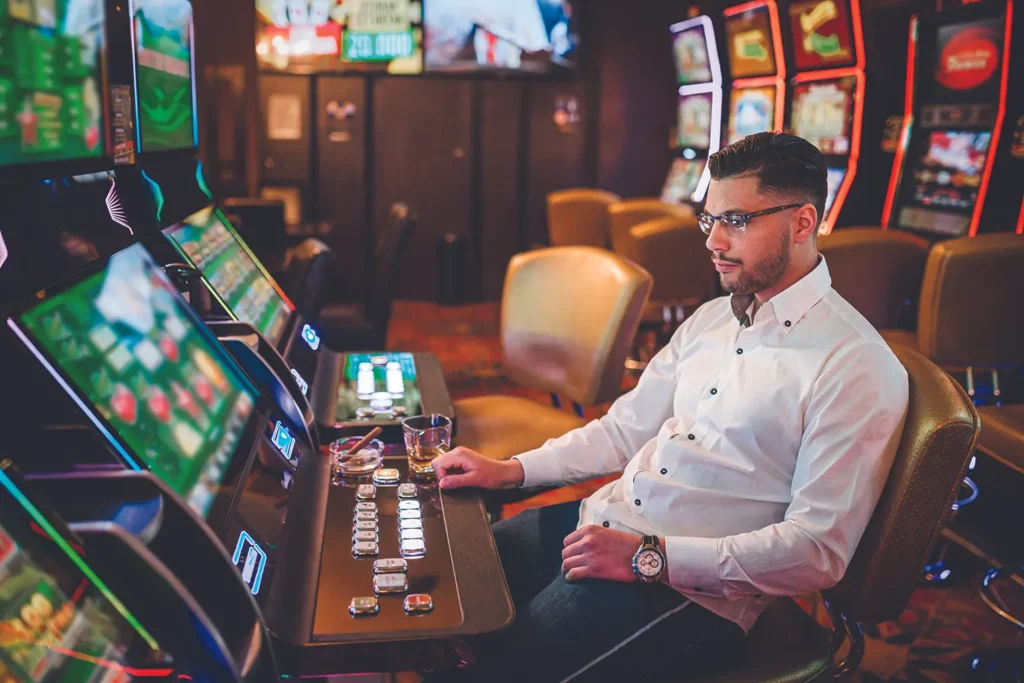
The bill, Senate Bill 661, would have legalized skill gaming statewide. Skill games are electronic devices, often found in convenience stores, gas stations and restaurants, that offer cash payouts and are distinct from traditional slot machines in that they involve an element of player skill.
In her veto statement, Spanberger pointed to data collected by the Virginia Alcoholic Beverage Control Authority during the period between 2020 and 2021 when skill games were briefly legal in the state. That data showed devices were disproportionately placed in communities with higher poverty rates, lower educational attainment, and higher percentages of Black and Hispanic residents.
Spanberger also argued that Virginia’s gaming oversight structure is too fragmented to absorb further expansion at this time, noting the state lacks a single independent entity responsible for regulating all forms of legal gaming. She said legalizing the machines now would also effectively reward operators who continued running them illegally after the previous authorization expired.
“Legalizing these machines at this moment would also reward operators who knowingly disregarded state law for years and set a troubling precedent for how business is conducted in Virginia,” Spanberger said in a statement.
The veto comes one day after Spanberger also vetoed separate legislation that would have required Fairfax County to hold a referendum on a casino in Tysons Corner. In February, her administration expressed support for creating a unified gaming regulatory body during testimony before the legislature’s ABC and Gaming Subcommittee.
Skill games have been a contentious issue in Virginia for several years. The industry has lobbied aggressively for legalization, arguing the machines provide revenue for small businesses and that operators should have a legal path to operate. Opponents, including some anti-gambling advocates and law enforcement officials, have pushed back on the expansion of gaming more broadly.
Spanberger said she remains open to future discussions with the General Assembly on gaming expansion, provided any approach prioritizes consumer protection and community impacts.
Information from a release. Edited by Dan McDermott.