
The National Park Service is reminding visitors to use extra caution in bear country as spring and summer bring increased bear activity in many parks, including Shenandoah National Park.
Bears may be moving through habitat, searching for food or protecting cubs during this time of year. Park officials say visitors can reduce the chance of a dangerous encounter by staying alert, hiking in groups, making noise in areas with poor visibility, storing food and trash properly and never approaching bears.
“National parks are wild places, and wildlife safety is visitor safety,” said Jessica Bowron, Comptroller, Exercising the Delegated Authority of the Director. “Simple actions, like giving bears space, securing food and knowing what to do before you enter bear country, can protect visitors and bears.”
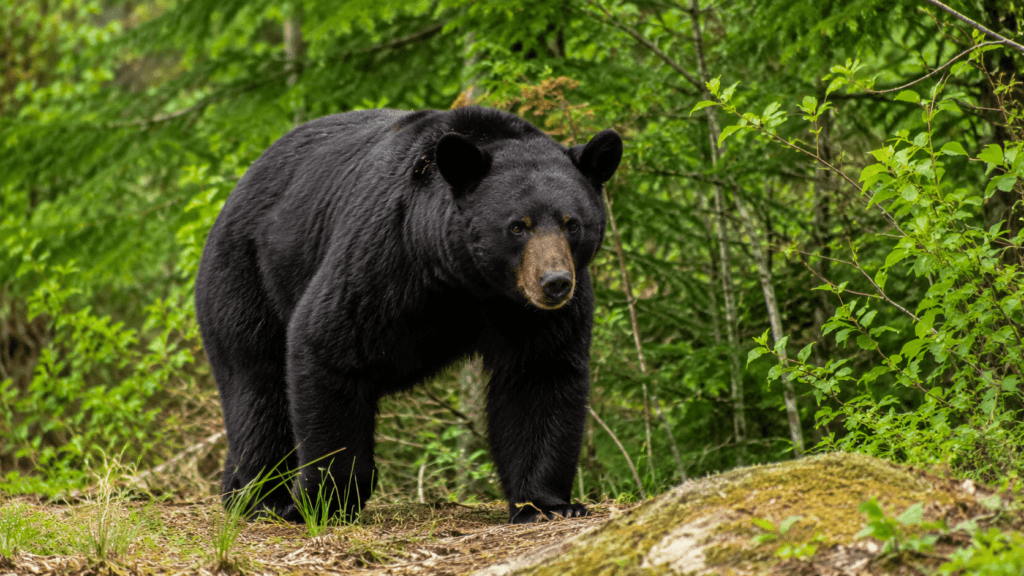
In Shenandoah National Park, seeing a black bear can be a memorable part of a visit. Park officials note that visitors who keep their eyes and ears open have a good chance of seeing one. But black bears are wild animals and should be treated with caution and respect.
Shenandoah’s bear safety guidance says visitors should keep at least 150 feet, or 50 yards, away from bears. Visitors should stay with their group, keep children close, and make noise so the bear knows people are nearby. A bear standing on its hind legs is usually curious, not threatening, according to park guidance, while jaw popping is a sign that the bear is uncomfortable.
If a bear is along a trail or in a visitor’s path, hikers should take a detour while giving the animal plenty of room to leave. Visitors should not surround the bear or block its escape route.
If a bear moves closer, visitors should move away slowly without turning their back. If there is no safe escape route, Shenandoah officials advise standing tall, waving arms, yelling and clapping to deter the bear. Throwing objects may be appropriate only if a person is cornered.
The National Park Service also reminds visitors never to run from a bear. Shenandoah officials warn that running can trigger a black bear’s pursuit response. Black bears can also climb trees, so climbing is not a safe escape strategy.
If a black bear charges, visitors should stay calm and hold their ground. Bears may make bluff charges, sometimes coming within several feet without making contact. Visitors carrying bear spray should know how to use it before entering the park and should use it if necessary and allowed.
In the rare event of a black bear attack, Shenandoah National Park advises visitors to fight back, focusing on the bear’s eyes and nose.
Bear safety is also important for drivers. Along Skyline Drive, wildlife collisions are common. Shenandoah officials say many can be avoided by obeying the 35 mph speed limit and slowing down when animals are nearby. Visitors who see a bear should not stop in the middle of the road to take pictures. Instead, they should pull completely off the road, with all four wheels off the pavement, before stopping.
Food storage is another key part of bear safety. Visitors should properly secure food, trash and scented items, and should follow park-specific rules for food storage, camping and bear spray. The National Park Service says bear species, terrain, food storage requirements and bear spray recommendations vary by park, so visitors should check current alerts and safety guidance before their trip.
Core safety reminders include:
- Never approach a bear.
- Stay alert and avoid wearing headphones on trails.
- Hike in groups when possible.
- Make noise near streams, dense vegetation and blind corners.
- Store food, trash and scented items properly.
- Carry bear spray where recommended and allowed.
- Never run from a bear.
If visitors encounter a bear, they should stay calm, speak in a steady voice, back away slowly and avoid sudden movements. Bear encounters should be reported to park staff as soon as it is safe to do so.
In Shenandoah National Park, visitors should immediately report situations involving bears in populated areas, people deliberately feeding bears, a bear charging, or any physical contact with a bear. Reports can be made to park staff by calling 800-732-0911.
For park-specific bear safety information, visitors should check the park’s website before arriving.
From an NPS release and local park resources. Edited by Dan McDermott.